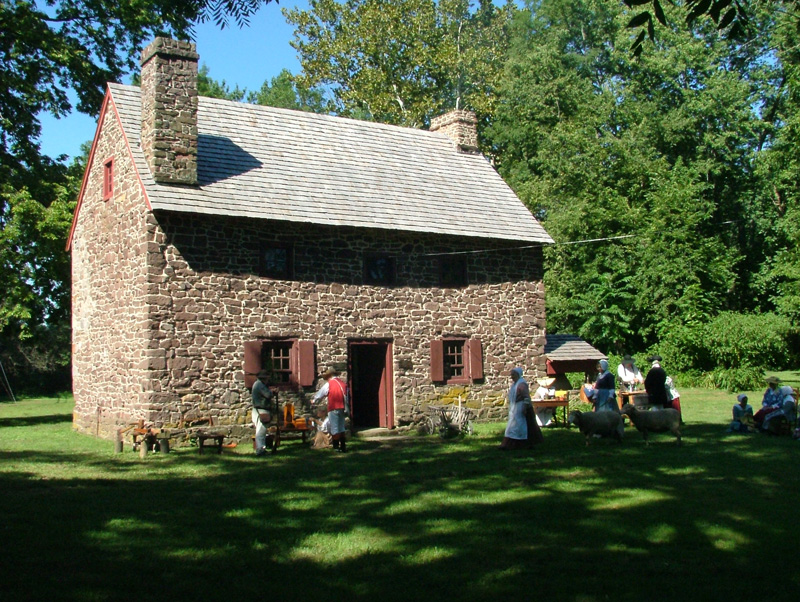
 The Historic Preservation Trust of Berks County was organized on April 30, 1964 by a group of public-spirited individuals under the leadership of Dr. Arthur D. Graeff, a well-known teacher, newspaper columnist, and local historian; Theresa Beard, a diligent researcher on the early history of the region and advocate for preservation of significant structures; Dr, John German, an early officer and Director; and Raymond Elliott, a long-time Board President who planned and navigated the consolidation of all of the surviving Morlatton Village buildings into the custody of the Trust, and coordinated the acquisition of the Hottenstein House..
As an active member of the National Trust for Historic Preservation, the Trust initiated a survey of 180 local structures in order to identify, investigate, and evaluate their historical importance in relation to our larger American heritage. In-depth research revealed a number of architecturally significant buildings whose very survival was threatened by deterioration or community development. The gravity of the potential loss of these historical structures to the community clearly indicated the need for the Trust to develop an aggressive agenda for their preservation.
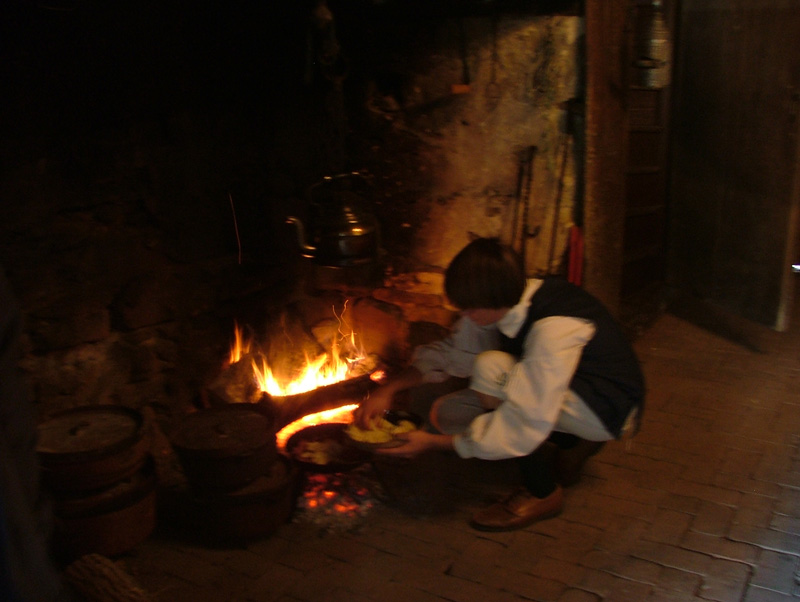 By 1966, the Trust was pressing forward to facilitate the preservation of historic sites and structures in Berks County. In addition to protesting forcefully the destruction of numerous important buildings, it offered advice and the benefits of its own experience to individuals and communities in need of professional help. On several occasions, it enlisted the aid of the Commonwealth, placed markers on numerous key sites, and gathered historical information, land surveys and old photographs.
Today the all-volunteer membership of the Historic Preservation Trust of Berks County continues this important work. The Trust currently owns, restores, and maintains eight historic structures, including early additions. In realistic financial terms, the Preservation Trust recognizes it is impossible to save every old building. So, the organization seeks to establish strategic links and partnerships with other organizations, property owners and local communities having similar goals, in order to develop realistic approaches for protecting and preserving history and historical sites. Thus, utilizing creative approaches, it seeks to marshal the needed resources to help accomplish these mission objectives.