
MORLATTON VILLAGE, AMITY TOWNSHIP, BERKS COUNTY, PA, PRESERVED BY THE HISTORIC PRESERVATION TRUST OF BERKS COUNTY
Morlatton Village exemplifies an early European settlement first occupied by Swedes in the early 1700’s, when present-day Berks County (then Philadelphia County) was considered part of William Penn’s.”back country”. Diversity in the 18th century included families from several other European nations. Structures built later in the 18th century further composed the village. During Colonial times, the area became a center of commerce for the region as a riverside wagon-road hub for refined iron from Pennsylvania’s earliest furnaces and for grains from the Oley Valley heading downriver to Philadelphia and traveling down a surveyed 1719 shunt-road fording the river to Millard’s Mill.
Morlatton’s importance grew as roads leading to and from Tulpehocken, Oley, Reading, and Philadelphia all intersected here. The riverside Village was where Berks County began and served as its original gateway. Morlatton Village consists of the following preserved, historically significant 18th- century buildings:
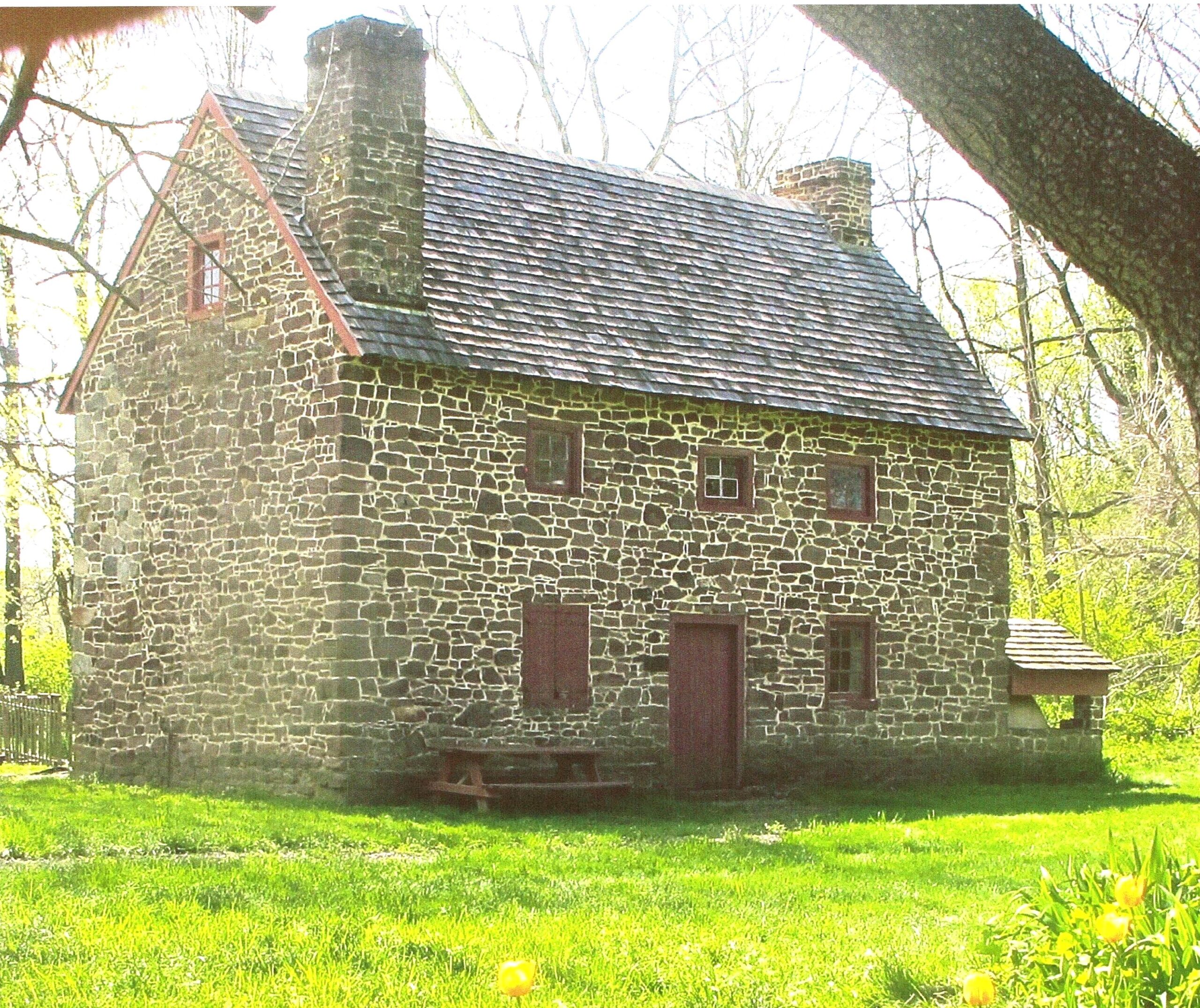 Mouns Jones House (1716)
Built by early Swedish settler Mouns Jones and his family, the house is the oldest documented dwelling in Berks County. It is a two-and-a-half story sandstone structure with two chimneys, one venting the “walk-in” kitchen fireplace, the other a radial corner chimney derived from both Swedish and English architectural traditions. The home has endured several inundating floods and fire damage to the roof, and by 1961 was.roofless and had suffered the collapse of all three flooring systems. Except for the top few courses, most of wall and chimney masonry remained standing and structurally stable. The Historic Preservation Trust of Berks County embarked on a multi-decade restoration project beginning in 1965, continuing with periodic segmental campaigns to the present; the completed projects are detailed and illustrated in the Trust’s archives at Past Perfect Online.
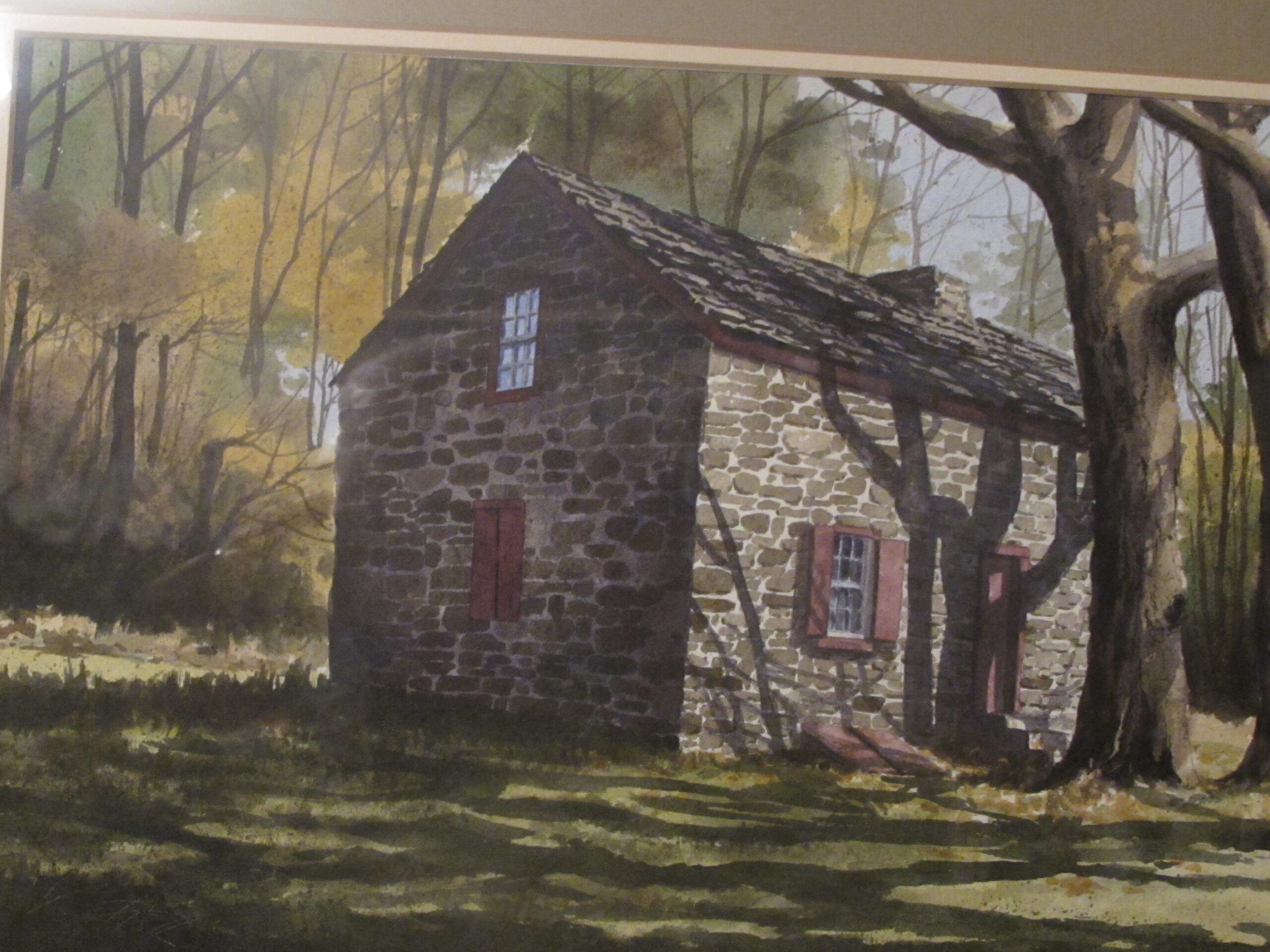 Michael Fulp House (circa 1784)
is a one-and-a-half story sandstone structure now with a single interior chimney. Originally, and until the mid-1960s, it had a stove-chimney on the northern gable-end. It is now a one-room building with a relatively large, open attic space. In its early periods, the first floor was partitioned into a kitchen-stove-room plan, which will be restored in the near future. Vacant since 1957, the building was donated to the Historic Preservation Trust Schurr family contemporaneously with the Mouns Jones House. Since its acquisition the Trust has diligently restored the building despite numerous flooding and other structural and funding challenges. The Fulp House is just south of the Mouns Jones House on the banks of the Schuylkill River.
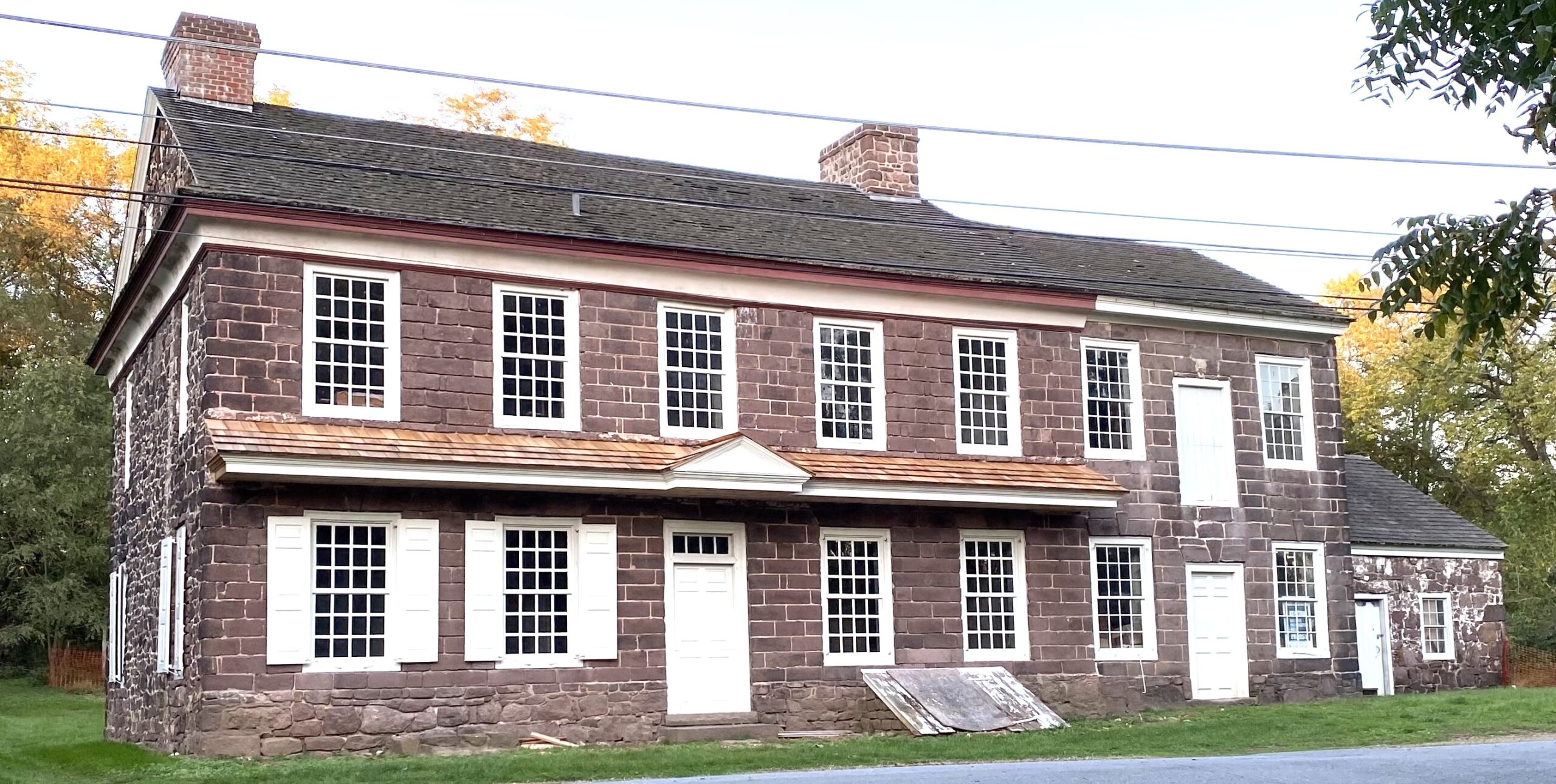 George Douglass Mansion (1765)
is a two-and-a-half story, vernacular “Manor” House and one of the first Georgian structures in the region, built a dozen years after Pottsgrove Manor House four miles to the east. The building is a central passage, symmetrical-plan structure with five bays delineated by windows and a central doorway. The facade is laid-up with squared and dressed sandstone blocks above the rubble basement, a plaster cove cornice, and rubble-stone evidence of a ceiled pent roof, now restored, between the first and second story windows. The building is currently under restoration in continuation of campaigns commencing soon after its acquisition in 1988. Douglassville, PA is named after George Douglass, Sr. and Jr.
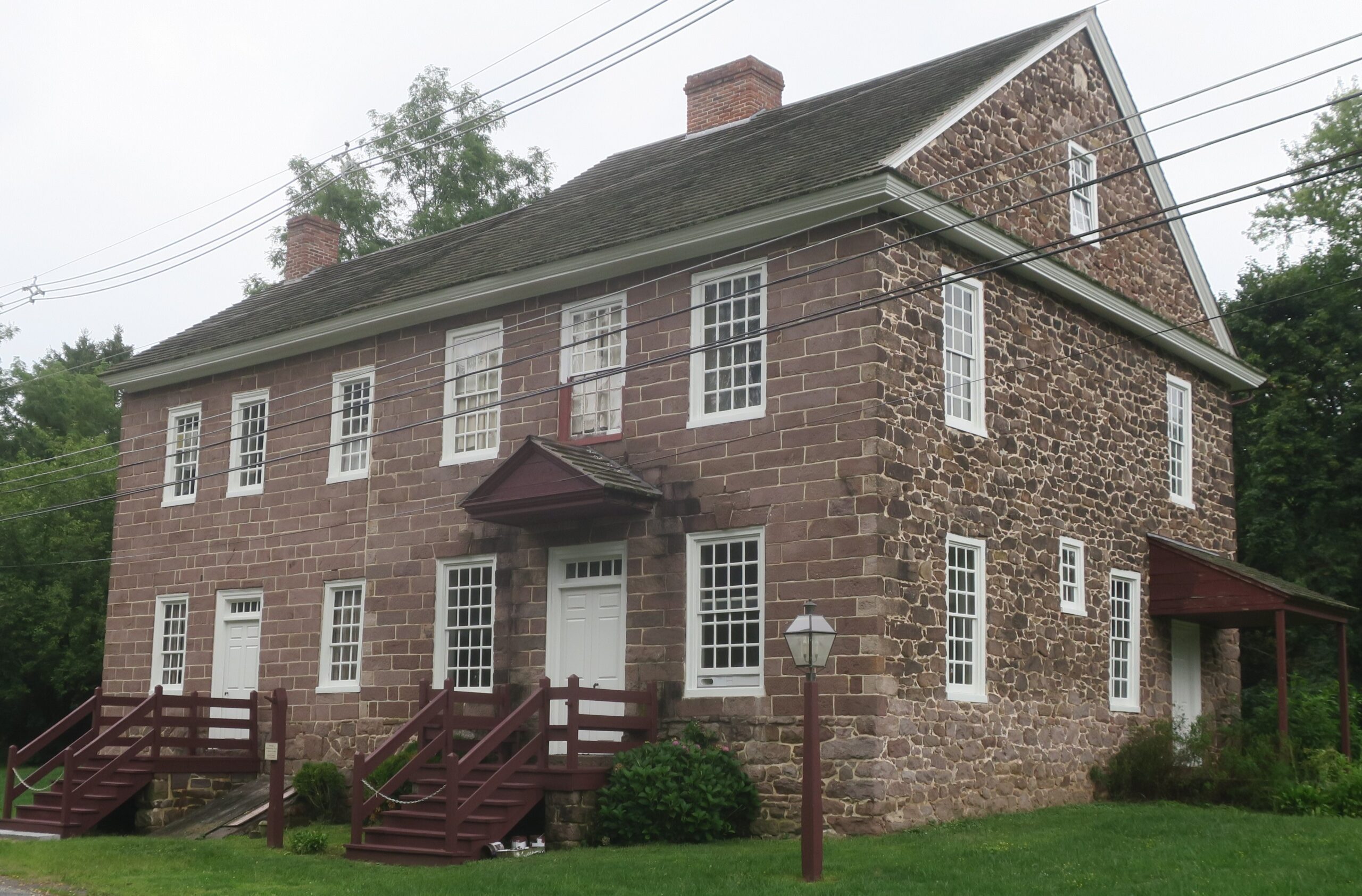 White Horse Inn (circa 1762)
The White Horse Inn is of Georgian Style and its principal façade constructed of dressed sandstone similar to the Douglass masonry. Built circa 1762, and later enlarged by George Douglass I, the building served as a tavern during Colonial times and through the Federal period into the 19th century. It was preceded from the late 1720s by Marcus Huling’s “Public House” in his home on the river, just south of Mouns Jones House, now within the Amity Township sewer plant site. The White Horse was purchased by the Trust in 1970 and has undergone significant restoration since. Today, the building has been fully restored, including the addition of a 20th-century frame kitchen. The Historic Preservation Trust of Berks County houses its office on the second floor. The Inn is available for private gatherings and events.
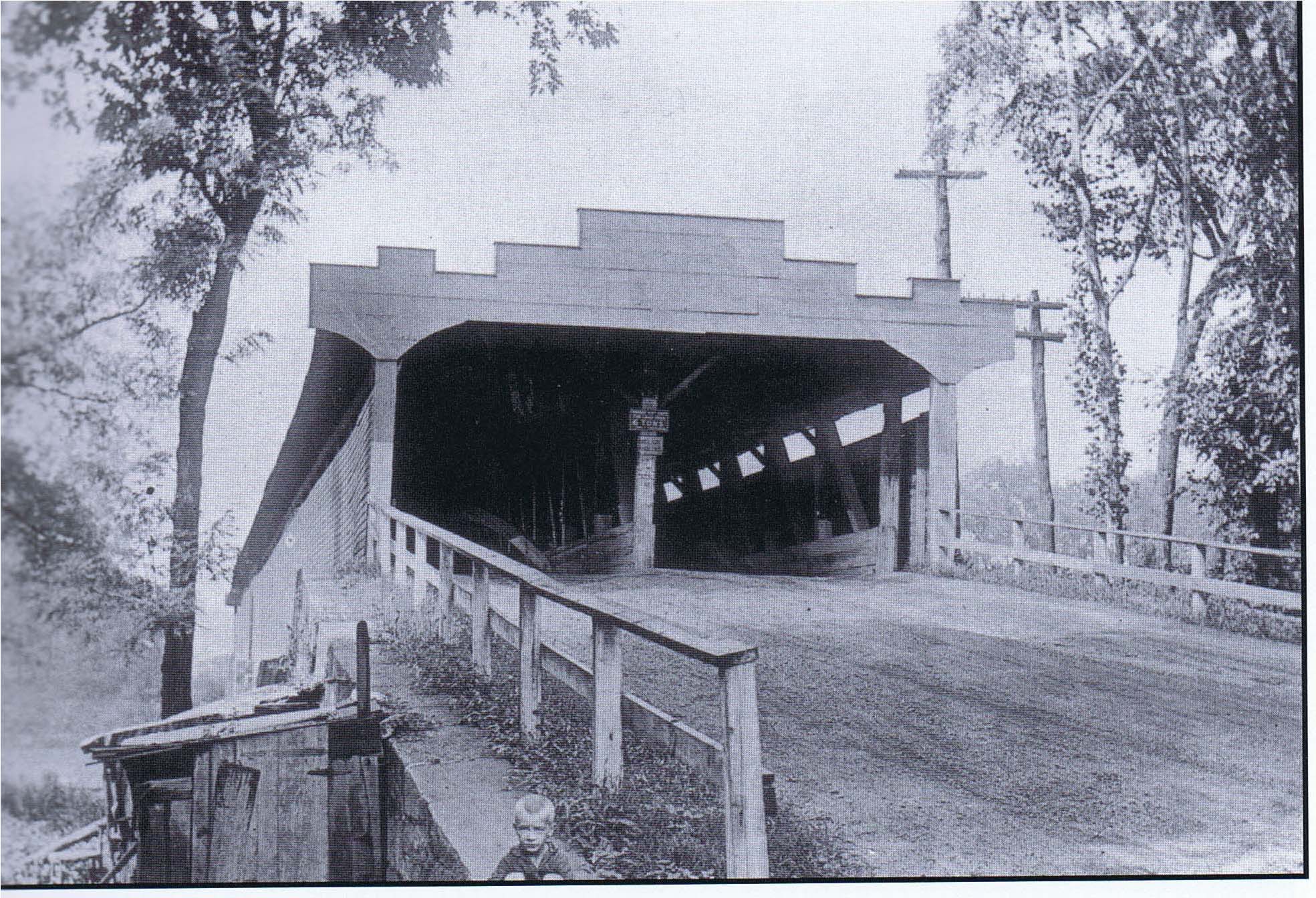 The Douglassville Covered Bridge (1832-1952), was one of twelve covered toll bridges in Berks County, spanning the Schuylkill River on a road aligned between the Jones and Fulp houses. From the river-edge of Morlatton Village, original pier-stones formerly supporting the Burr-Arch Truss bridge structure can be viewed submerged in the river. The earlier crossing was by a ford several hundred yards upriver from Mouns Jones House, near the present Thun Trail bridge, formerly a Pennsylvania Railroad bridge crossing the river.
Thun Trail
Dedicated in 2006, the Thun Trail provides a biking/hiking link to Historic Morlatton Village. The Trail connects the Schuylkill River Heritage Area trail from Pottsville to Philadelphia on the rail-bed right-of-way of the former Pennsylvania Railroad (est. 1883). Free trail parking is available on the Morlatton Village Trailhead lot across Old Philadelphia Pike from the White Horse tavern.